
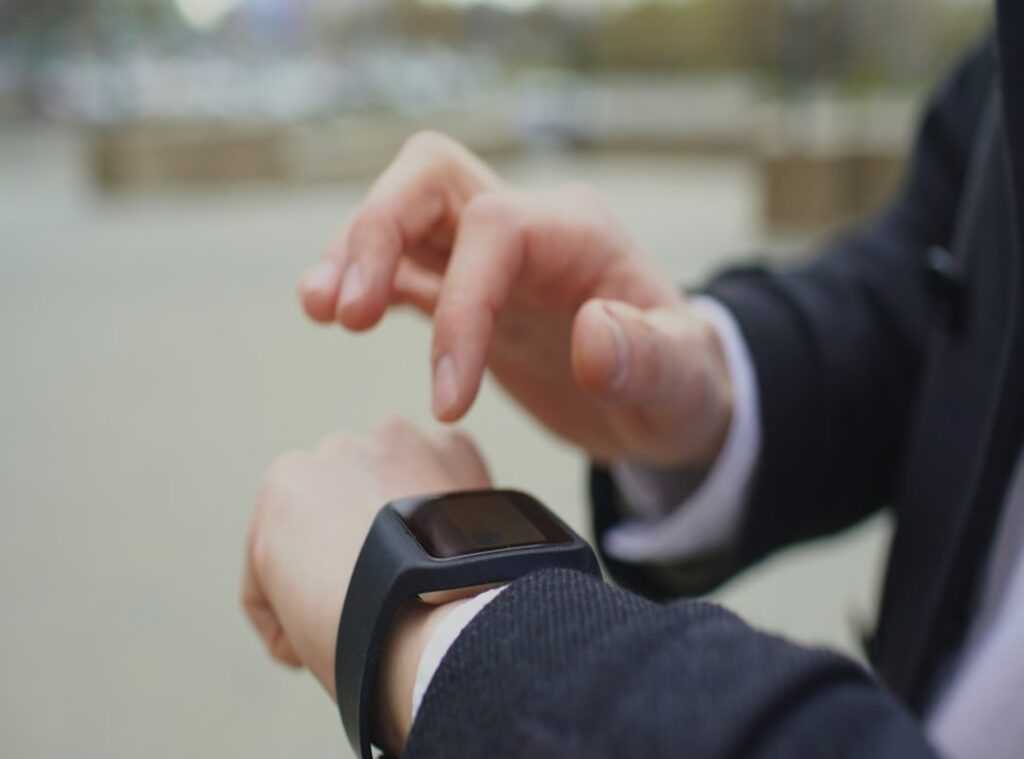
Wearable technology isn’t just about counting steps anymore. We’re stepping into a world where these devices do more than just track fitness. They’re changing how we manage health daily, moving into proactive health care.
But what’s real? And what’s just hype? understanding wearable tech trends comes in.
I’ve dug through market shifts, patents, and software advances to cut through the noise. Why does this matter? Because knowing these trends is key for both consumers and developers wanting to stay ahead.
You’ll get a clear breakdown of the most significant trends and why they’re game-changers.
Beyond Step Counting: The Future of Health Monitoring
We all know the drill. Counting steps, tracking sleep. But are we really improving our health with these basic metrics?
I’m not convinced. There’s a shift happening from mere wellness tracking to real medical-grade health monitoring. It’s a game changer.
Take non-invasive glucose monitoring. It’s not just in sci-fi novels anymore. Developers are working on devices that could revolutionize diabetes management.
Imagine checking blood sugar levels without a needle. Sounds like magic, right? It’s not quite ready for prime time, but when it is, it’ll be a leap forward for millions.
And then there’s cuffless blood pressure tracking. A wristband that measures BP? It’s happening.
These devices use optical and sensor-based technology to gather data without squeezing your arm. Hypertension patients, rejoice! It’s a glimpse into the future of proactive health care.
Even hydration and electrolyte sensors are stepping up the game. Forget water reminders (we get it, drink more water). These sensors offer real-time data on your body’s needs, key for athletes and health buffs alike.
It’s like having a personal trainer on your wrist.
The trend is clear: continuous, passive data streams. They predict health issues before they escalate. But will we actually use this data wisely?
I’m not sure. It’s a lot of information to process, and we’re notoriously bad at listening to our bodies.
Curious about how wearable tech fits into broader tech trends? Check out Smartphones Tomorrow Key Features. It’s all connected in this brave new world.
With wearable tech trends pushing boundaries, the future looks both promising and complex.
The AI Engine: How On-Device AI and Predictive Analytics are
Edge computing in wearables is like a secret weapon. Data gets processed right on the device, which means faster takeaways, improved privacy, and less battery drain. Why wait for the cloud when the device on your wrist can do it quicker?
On-device AI is where the magic happens. It crafts hyper-personalized experiences for you. Imagine your smartwatch predicting when you might catch a cold.
It monitors heart rate variability, temperature, and respiratory rate. If things look off, it alerts you. That’s not just data.
That’s intelligence.
Fitness coaching is transforming too. No more generic plans. Your wearable can now adapt, offering real-time feedback.
It tweaks workout suggestions based on how you’re feeling and recovering. It’s like having a personal trainer on your wrist, minus the small talk.
Large Language Models (LLMs) are stepping in too. They turn your wearable into a conversational health assistant. These models interpret complex data and answer questions naturally.
No jargon, just straightforward advice. Ever wondered how your latest run impacts your heart health? Now you can ask and get clear answers.
The true value here isn’t raw data. It’s about what you do with it. Actionable intelligence and predictive takeaways are game-changers.
This shift isn’t just a trend. It’s redefining what ‘smart’ really means in tech.
For anyone interested in the latest wearable tech trends, this is where the action is. Bold innovations are happening in real-time. It’s exhilarating watching devices evolve from simple data collectors to sophisticated analysts.
I say, embrace these changes. Choose tech that empowers you with takeaways. That’s where the future lies.
And honestly, who doesn’t want to be ahead of the curve?
Disappearing Devices: A New Era of Wearables
Who needs a bulky smartwatch when you can slip on a smart ring? These little guys are revolutionizing how we track sleep and handle discreet notifications. It’s like having a secret agent on your finger.

I love them because they don’t demand attention. They just exist, slowly gathering data.
But wait, there’s more. Hearables, or smart earbuds, are no longer just about busting beats. They’re morphing into full-fledged health trackers.
Imagine earbuds that can track your heart rate and even your posture. Sounds wild, right? It’s the evolution from simple audio devices to health monitors.
We’re moving towards a world where you can get real-time health data while listening to your favorite tunes. It’s practical and cool.
Then there are smart textiles and patches. Technology woven into the very fabric of our clothes (literally). Imagine wearing a patch that monitors your vitals for days.
It’s perfect for athletes and could revolutionize medical monitoring. These innovations are paving the way for wearables that don’t scream for attention. They just blend in.
That’s what users want now (technology) that seamlessly integrates into life without constant demands.
This shift towards unobtrusive wearables is part of a broader trend. People crave tech that doesn’t overpower. This Role Robotics Industry 4 0 insight reflects the same desire for tech that complements our world, not controls it.
As these wearable tech trends continue, the demand for invisible and integrated devices will only grow. It’s an exciting time for those who value harmony over hype.
From Gadgets to Ecosystems: Wearable Tech’s Next Leap
Let’s talk about wearable tech trends and the real game-changer: platform interoperability. It’s not just about strapping a device on your wrist anymore. We’re looking at how these gadgets connect to the larger digital world.
Imagine your wearable not just tracking your steps but interacting with your entire smart home system. Isn’t that exciting?
Here’s the deal: open APIs and data standards, like Matter, are key. Why? They allow your wearable to “talk” to other systems.
Think about it. You fall asleep with your smartwatch on, and your house knows to dim the lights and adjust the thermostat. No more fumbling with switches.
Now that’s what I call smart living.
Then there are connected vehicles. Cars today could potentially use biometric data from wearables to detect if you’re drowsy or stressed. This isn’t sci-fi; it’s happening.
Imagine your car activating safety features just because it knows you’re tired. It’s like having a co-pilot who actually cares about your well-being.
In healthcare, the integration is even more deep. Wearables can seamlessly transfer data to your electronic health records. Doctors get a full picture of your health in real-time.
It’s not just about collecting data but transforming it into meaningful takeaways (a buzzword we all hate, but it’s true).
So, wearables aren’t just isolated gadgets anymore. They’re becoming central to our digital and physical lives. A shift from mere data collectors to important hubs.
It’s a future I can’t wait to see unfold. What about you?
Reimagining Our Tech Journey
Personal technology is more than just gadgets. It’s the power we hold in proactive medical monitoring, on-device AI, invisible designs, and deep integration. These wearable tech trends offer us a glimpse into a future where our devices anticipate needs, blending seamlessly into our lives.
I mean, who wouldn’t want that?
Sure, it sounds futuristic, but it’s happening now. The challenge? Keeping up.
But you don’t have to do it alone.
Visit meetshaxs.net to stay ahead in this ever-shifting space. Discover how these innovations can reshape your tech relationship. Ready to transform your tech experience?
Dive in today.