
If you’re searching for clarity on smart home device trends, you’re likely trying to separate real innovation from marketing hype. With new connected gadgets launching constantly, it’s hard to know which technologies are shaping the future of homes—and which ones will fade out just as quickly.
This article breaks down the latest developments in smart assistants, home automation ecosystems, AI-powered security, energy-efficient devices, and cross-platform integrations. We focus on what’s actually gaining traction, how these trends impact everyday users, and what to consider before investing in new tech for your home.
Our insights are built on in-depth analysis of product launches, software updates, developer roadmaps, and broader digital transformation patterns across the tech industry. By connecting device innovation with real-world usability, we provide a clear, practical look at where the smart home market is heading—and what it means for you right now.
Beyond the Voice Assistant: What’s Really Changing in Smart Homes
Everyone thinks the next breakthrough is a smarter speaker. I disagree. Voice assistants are plateauing; the real shift is invisible. First, interoperability—devices speaking a shared language like Matter—reduces friction and lock-in. Second, edge computing, meaning data processed locally, boosts privacy and speed (finally). Meanwhile, energy-aware automation trims bills by optimizing loads, not just turning lights on. Critics argue flashy AI screens define smart home device trends, yet resilience, security, and modular upgrades matter more. So, before buying, prioritize ecosystems that update gracefully—your future self will thank you. Trust boring infrastructure.
Trend 1: Proactive Intelligence with On-Device AI
I remember the first time my thermostat adjusted itself before I even touched my phone. It was 6:30 a.m., freezing outside, and the house was already warm. I hadn’t scheduled it. It had learned. That was my first real glimpse into the shift from reactive to proactive tech.
Traditionally, smart homes waited for commands—”turn on the lights.” Now devices anticipate needs: lights dim based on ambient light and presence, thermostats adapt to routines, and speakers lower volume when you answer a call. That’s proactive intelligence—systems predicting behavior instead of waiting for instructions.
The breakthrough behind this is edge computing, meaning data is processed locally on the device instead of in the cloud. The result?
- Faster responses (near-zero latency)
- Greater privacy (data stays in your home)
- Better reliability during internet outages
Some argue cloud AI is more powerful—and in raw processing scale, that’s true. But for everyday automation, local AI often wins where it matters most: speed and discretion (because no one wants their light switch buffering).
I’ve seen security cameras distinguish between my dog, a delivery package, and an actual visitor—without uploading footage externally.
Tech Hack: Check device specs for terms like “on-device processing” or “local AI engine.” Prioritizing this in current smart home device trends dramatically strengthens privacy and performance.
Trend 2: The Matter Protocol Finally Unifies the Ecosystem
For years, smart homes felt like high school cliques. Apple devices stuck with Apple. Google played nice with Google. Amazon did its own thing. The result? A maze of “Works with…” labels that made buying a lightbulb weirdly stressful.
Enter Matter.
Matter is a universal language for smart home devices. In simple terms, it’s a shared communication standard that allows products from Apple, Google, Amazon, and others to work together seamlessly. Instead of translating between competing systems, devices now speak the same core language.
So how does it actually work?
Unlike older setups that relied heavily on brand-specific cloud servers, Matter operates primarily on your local network. That means when you turn on a light, the command travels within your home—not to a distant data center and back. The result is faster response times and improved reliability (because your lights shouldn’t stop working when the internet hiccups).
You might hear skeptics argue that ecosystems already worked “well enough.” Fair point. But fragmentation limited choice and flexibility. Matter reduces that friction and aligns with broader smart home device trends toward openness and interoperability.
Why this matters for you: If a device carries the Matter logo, it works with any Matter-enabled controller.
Pro tip: When shopping, look specifically for the Matter badge to future-proof your setup and avoid brand lock-in.
Trend 3: The Home as a Health and Wellness Hub
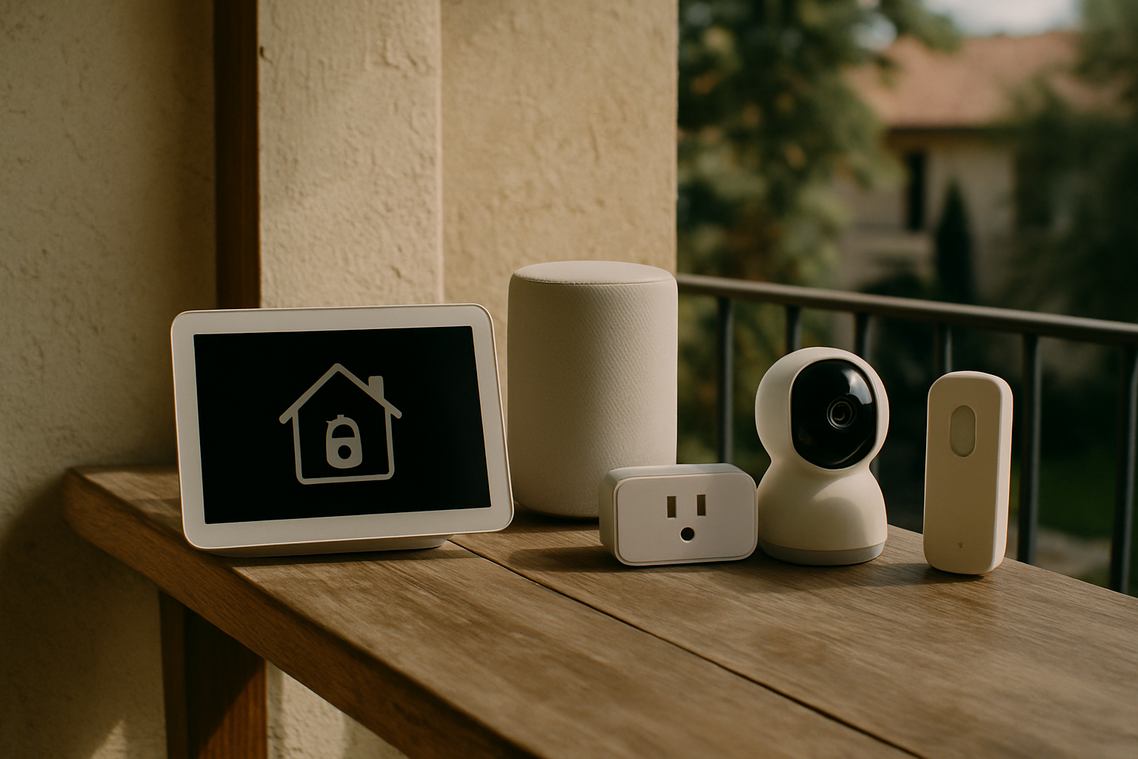
Fitness trackers were step one. Now, the entire home is becoming a QUIET health partner. That’s where current smart home device trends get interesting.
Ambient Sensing: Passive vs Wearable
Wearables (Active Tracking): You charge them, wear them, and remember to sync them. Great for workouts, less great when forgotten on the nightstand.
Ambient Sensors (Passive Tracking): Radar-based fall detection, mattress sleep sensors, and air-quality monitors work in the background. No straps. No charging reminders. Just CONTINUOUS data.
For example, radar technology can detect subtle gait changes linked to mobility issues (MIT Technology Review), while air sensors flag allergens before symptoms flare.
Then there’s practical wellness: smart lighting that aligns with your circadian rhythm to improve sleep (Harvard Health), and connected water bottles that nudge hydration.
Critics argue this feels invasive. Fair point. But when data stays local and delivers actionable insights—not noise—the upside is real.
Pro tip: Start with sleep lighting before upgrading everything.
See related innovations in advancements in ar glasses and spatial computing.
Trend 4: Energy Efficiency and Sustainability Take Center Stage
Energy management is no longer about setting a timer and hoping for the best. Instead, it’s shifting toward dynamic optimization, where smart plugs and appliances track real-time pricing and automatically run during off-peak hours. That shift sits at the heart of current smart home device trends.
Meanwhile, the software layer has become the real hero. Modern apps break down consumption by device, revealing which gadgets quietly drain power (yes, your old fridge). With that visibility, households can rebalance usage or replace inefficient hardware.
Consider smart electrical panels: they route solar or battery power to high-demand appliances, optimizing for cost and grid stability. Critics argue the savings are marginal, but data from the U.S. Department of Energy suggests efficiency upgrades can cut household bills by 10–30%.
Looking ahead, it’s plausible AI-driven load balancing will negotiate with utilities, turning homes into energy traders.
Trend 5: Advanced Security Through Sensor Fusion
More than just a camera, today’s systems rely on sensor fusion—the practice of combining multiple data sources (like cameras, motion detectors, contact sensors, and even Wi-Fi signal shifts) to interpret what’s really happening. In other words, your home doesn’t just “see” activity; it cross-checks it.
Here’s what that means for you:
- Fewer false alarms caused by pets, shadows, or passing cars.
- Faster threat verification through layered confirmation.
- Greater peace of mind without constant alert fatigue.
As smart home device trends evolve, this multi-sensor approach turns guesswork into certainty (finally).
Building Your Next-Generation Smart Home
The smart home is growing up. Instead of glitchy light bulbs staging a rebellion at 2 a.m., we’re getting AI that actually learns your routines (finally). In other words, homes are becoming intelligent, interoperable through Matter, and woven into our wellness and energy habits. These shifts tackle fragmentation, privacy worries, and that awkward “why didn’t this automate?” moment.
Of course, skeptics say it’s just hype—more apps, more updates. Fair. But Matter certification and on-device AI mean devices talk locally, not gossiping in the cloud. So when tracking smart home device trends, prioritize secure, connected tech.
Stay Ahead of What’s Next in Smart Living
You came here to make sense of where connected technology is heading — and now you have a clearer picture of the innovations, shifts, and smart home device trends shaping modern living.
Keeping up isn’t just about curiosity. It’s about avoiding outdated tech, wasted money, and frustrating compatibility issues. The smart home space moves fast, and falling behind means missing out on convenience, efficiency, and real performance gains.
The good news? You now know what to watch, what to prioritize, and how to evaluate emerging devices before they hit the mainstream.
Don’t let rapid innovation leave you guessing. Stay plugged into the latest digital trends, device breakthroughs, and practical tech insights so you can upgrade with confidence.
Ready to future-proof your setup? Explore more in-depth tech breakdowns, actionable buying advice, and real-world smart living strategies trusted by thousands of readers who rely on us for clear, no-hype guidance. Dive in now and stay one step ahead of the next big shift.