If you’re searching for clear, up-to-date insights on next generation battery technology, you’re likely trying to understand what’s actually changing—and what it means for devices, electric vehicles, and the broader energy landscape. With constant headlines about breakthroughs, solid-state designs, faster charging, and longer lifespans, it’s difficult to separate real progress from early-stage hype.
This article is built to do exactly that. We’ll break down the most important advancements, explain how emerging battery architectures differ from current lithium-ion systems, and explore the practical impact on consumer electronics, mobility, and grid storage. You’ll gain a grounded understanding of what’s commercially viable today, what’s still in development, and what to realistically expect over the next few years.
Our analysis draws on technical research papers, industry reports, and product announcements from leading manufacturers and labs—so you can move beyond buzzwords and make sense of where battery innovation is truly headed.
Beyond Lithium-Ion: What’s Powering Tomorrow’s Devices
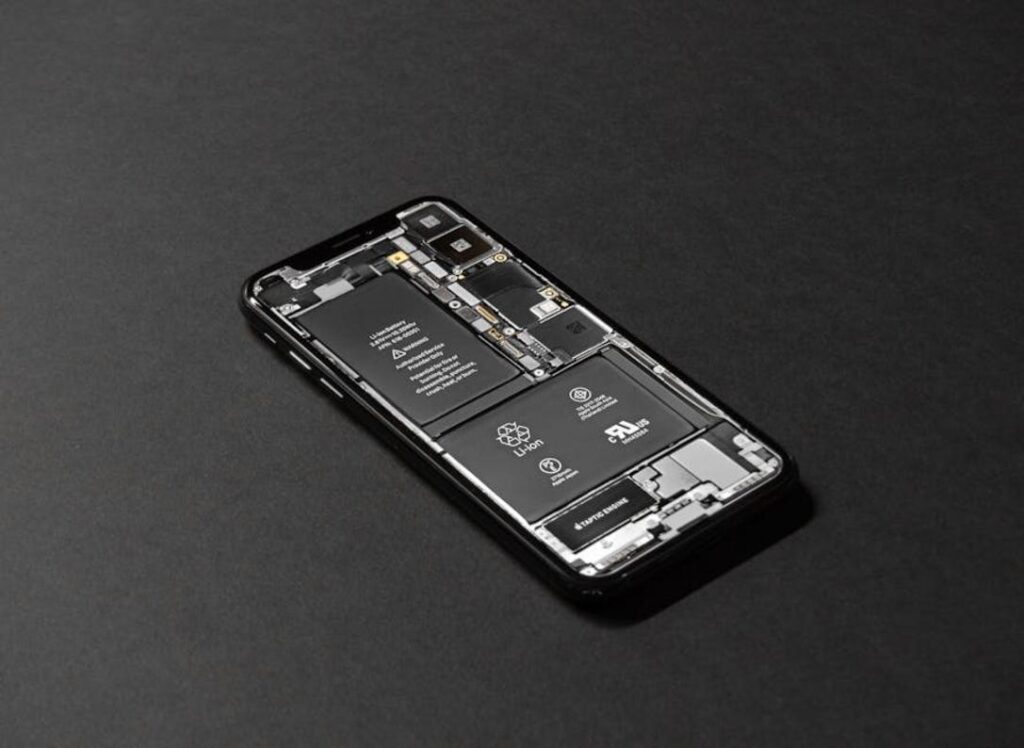
Lithium-ion batteries have powered everything from smartphones to Teslas, but they’re approaching practical limits in energy density (how much power fits in a given space), safety, and cost. That’s where next generation battery technology steps in.
Solid-state batteries replace flammable liquid electrolytes with solid materials, boosting safety and range.
Sodium-ion batteries swap scarce lithium for abundant sodium, lowering costs.
- Faster charging
- Longer lifespans
- Lighter devices
For you, that means EVs that drive farther, phones that last days, and wearables that barely need charging. The payoff? Smarter, safer, more reliable tech in everyday life. Ahead.
Last year, I left my phone charging overnight after it overheated in my car. That small scare sent me down a rabbit hole into solid-state batteries.
What Changes With Solid Electrolytes?
Traditional lithium-ion batteries rely on a liquid electrolyte—a flammable chemical medium that moves ions between the anode and cathode. Solid-state designs replace that liquid with a ceramic or polymer solid electrolyte. In simple terms, the electrolyte is the ion highway; making it solid removes the volatile fuel.
The advantages sound almost sci-fi. Higher energy density means more power packed into the same space, so devices last longer. Researchers report solid-state cells could double energy density compared to conventional lithium-ion (U.S. Department of Energy). Faster ion transfer can enable charging in minutes, not hours. And improved safety drastically lowers fire risk because there’s no liquid to ignite.
- Imagine charging your EV as quickly as filling a gas tank.
Still, challenges remain. Manufacturing at scale is expensive, and dendrite formation—tiny lithium spikes that pierce the electrolyte—can short-circuit cells.
If cracked, next generation battery technology could deliver smartphones that last days and electric cars that feel limitless. The shift feels inevitable, but patience will define the winners. For consumers and engineers.
Sodium-Ion: The Sustainable and Cost-Effective Challenger
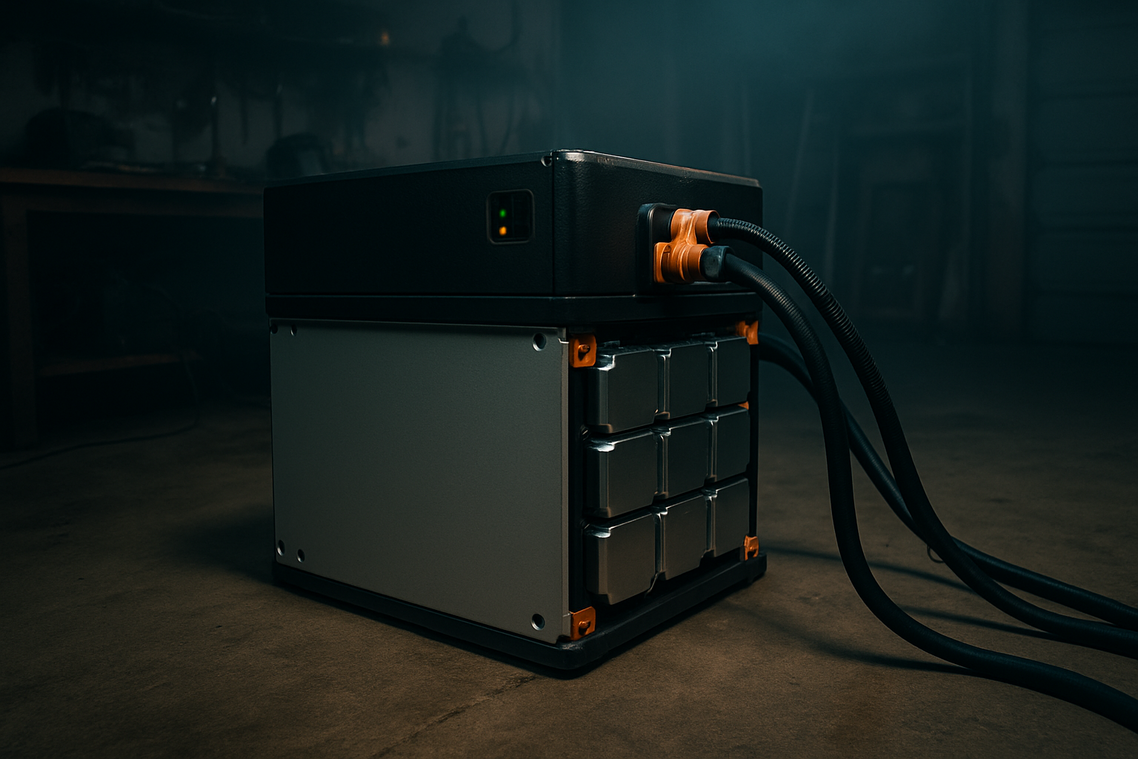
Sodium-ion (Na-ion) batteries replace scarce lithium and cobalt with sodium—an element that’s abundant in seawater and far cheaper to source. In other words, they swap rarity for practicality. According to the U.S. Geological Survey, lithium supply constraints and price volatility remain ongoing concerns (USGS, 2024). Sodium? There’s plenty to go around.
“It’s not about beating lithium-ion everywhere,” one grid engineer recently said at an energy conference. “It’s about winning where cost and safety matter most.” That distinction matters. Sodium-ion has lower energy density—meaning less energy stored per kilogram—than lithium-ion. Critics argue this makes it unsuitable for high-performance EVs. Fair point. However, Na-ion performs better in cold weather, offers longer cycle life (more charge-discharge cycles before degradation), and presents lower fire risk due to improved thermal stability (Nature Energy, 2023).
So where does it shine? First, large-scale grid storage. Affordable storage stabilizes renewable-heavy grids, reducing blackout risks and supporting energy-hungry data centers. Second, budget EVs and e-scooters, where affordability outweighs maximum range.
As adoption grows, sodium-ion may quietly anchor next generation battery technology strategies. And just as breakthroughs in wearable technology and health monitoring reshaped personal tech, Na-ion could redefine infrastructure behind the scenes—less flashy, but foundational.
The ‘Supercapacitor’ Hybrid: Graphene’s Big Promise
We’ve all been there: your phone is at 3%, the charger is somewhere in another room, and the battery still takes forever to crawl back to life. It’s 2026—why are we still waiting? That frustration is exactly why researchers are obsessed with graphene-based hybrid batteries and supercapacitors.
A supercapacitor stores energy electrostatically (meaning it holds charge on a surface rather than through chemical reactions like traditional lithium-ion cells). When combined with graphene—a single layer of carbon atoms arranged in a hexagonal lattice—it can enable near-instant charging and discharging. Think seconds, not hours.
But speed isn’t the only perk:
- Extreme durability, often rated for hundreds of thousands of charge cycles
- Lighter weight, thanks to thinner, denser material structures
- Greater thermal stability, reducing overheating risks
Critics argue this is overhyped next generation battery technology, pointing out cost and manufacturing complexity. Fair. Large-scale graphene production is still expensive and inconsistent. But early industrial deployments suggest performance gains are real, especially in high-drain environments.
Here’s where it gets interesting for developers. If power becomes effectively “always available,” software architecture shifts. Background AI models, real-time analytics, persistent sensing—no more aggressive power throttling. Devices could stay computationally alert instead of constantly conserving energy (goodbye, battery saver anxiety).
Still, this remains experimental, with first applications likely in aerospace, defense, and high-performance systems—not your smartphone just yet.
Electric Vehicles and the 500-Mile Reality
The biggest shift in mobility isn’t just better range—it’s behavioral freedom. Solid-state batteries (a type of battery that replaces liquid electrolytes with solid materials for improved safety and density) are pushing EVs past 500 miles per charge, with 10-minute charging targets in development. Critics argue fast charging degrades batteries and strains grids. Fair point. But improved thermal stability and smarter load-balancing software are addressing both issues, making sub-$25k sodium-ion city EVs feasible for dense urban markets (where affordability matters more than top speed).
In consumer electronics, the advantage isn’t just thinner phones. It’s multi-day endurance with safer chemistries that reduce overheating risks. That changes design priorities entirely—manufacturers can optimize for durability instead of cramming in larger cells (finally, fewer battery anxiety memes).
IoT and medical devices may see the most overlooked gains. Miniaturized, long-life cells enable implants and remote monitors to function for years without replacement. Some skeptics question reliability at small scales, yet lab data shows solid electrolytes improving lifecycle stability (Nature Energy, 2023).
Aerospace and drones? Higher energy density makes electric regional flights and long-endurance delivery routes commercially realistic. The real edge of next generation battery technology isn’t hype—it’s unlocking industries competitors rarely connect under one energy narrative.
Preparing for the Power Shift
We’ve covered solid-state, sodium-ion, and graphene breakthroughs poised to break lithium-ion limits. So what’s in it for you? Safer batteries, faster charging, and longer device lifespans mean fewer overnight charges and more freedom on the go. The race in next generation battery technology isn’t abstract—it determines how quickly your phone hits 100% and how long your EV holds value.
- Watch charging speed benchmarks and cycle life reports as early signals of market winners.
Over the next five years, lab gains will reach store shelves, reshaping how you work, travel, and stay connected daily everywhere.
Stay Ahead of the Tech Curve
You came here to cut through the noise and understand where the tech world is really heading. Now you have a clearer view of the trends shaping devices, software architecture, and especially next generation battery technology—the innovations that will define performance, portability, and sustainability in the years ahead.
The real pain point isn’t lack of information. It’s overload. New devices launch daily, buzzwords spread fast, and it’s hard to tell what actually matters. Falling behind doesn’t happen all at once—it happens one missed shift at a time.
Staying informed isn’t optional if you build, invest in, or rely on technology. It’s your competitive edge.
Here’s your next move: stay plugged into our expert breakdowns, practical tech hacks, and deep dives into emerging trends. We’re trusted by forward-thinking tech enthusiasts for clear, actionable insights. Don’t get left behind—explore the latest updates now and stay ahead of what’s next.