In today’s competitive job market, one-way video interviews have become a standard step in the hiring process. Unlike traditional interviews, these allow employers to review candidates on their own time. For candidates, this format can be challenging because it removes the immediate human interaction and feedback. Excelling in a one-way video interview requires preparation, focus, and an understanding of what employers are looking for. By mastering key strategies, you can make a strong impression and increase your chances of moving forward in the hiring process.
Preparing Your Environment
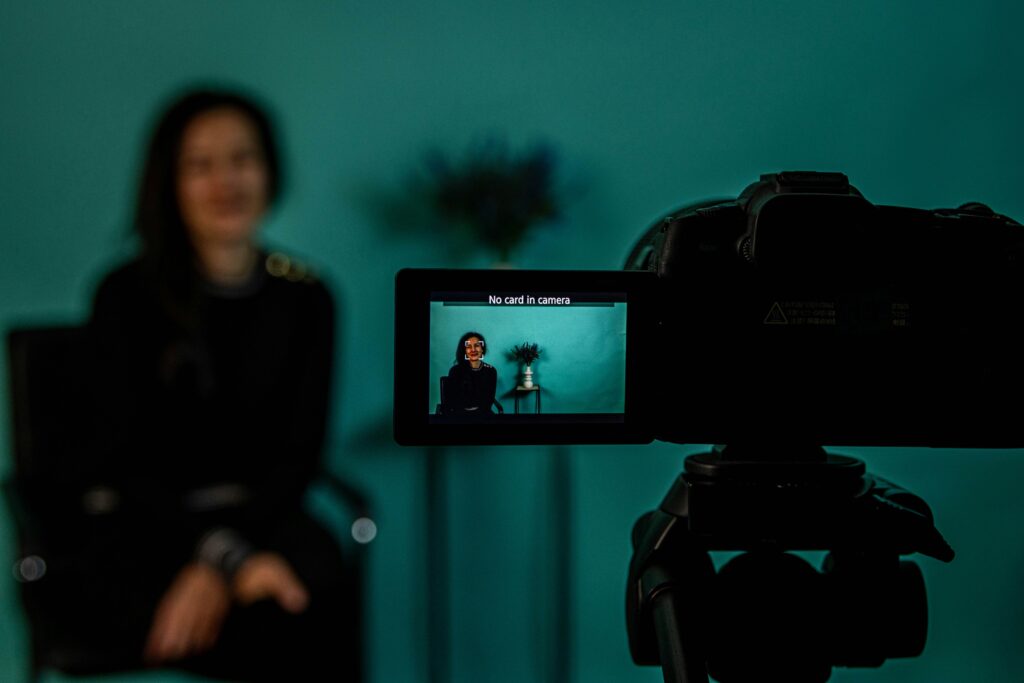
A crucial factor in succeeding at video interviewing is the environment you present to the camera. Choose a quiet, well-lit space where interruptions are minimized. Natural light is ideal, but if unavailable, use a lamp to ensure your face is clearly visible. Pay attention to the background as well—neutral, uncluttered settings convey professionalism. Avoid personal items, distracting decorations, or noisy appliances.
Audio quality is equally important. Use a reliable microphone or headset to ensure your voice is clear and free of echo. Background noise can distract the interviewer and reduce the overall impact of your responses. Testing your equipment in advance helps avoid technical issues and gives you confidence on the day of the recording.
Dressing for Success
Even though one-way video interviews are recorded and reviewed later, your appearance still matters. Dressing professionally shows respect for the process and communicates that you take the opportunity seriously. Choose attire similar to what you would wear in a traditional interview. Avoid overly bright colors or busy patterns that may appear distracting on camera.
Grooming is equally important. Neat hair, minimal jewelry, and subtle makeup if applicable contribute to a polished appearance. When combined with proper lighting and a tidy background, your professional look will enhance the overall impression you make on potential employers.
Mastering Your Body Language
Body language plays a significant role in video interviewing, even when the interaction is recorded rather than live. Sit up straight, maintain eye contact with the camera, and avoid fidgeting. These nonverbal cues convey confidence, attentiveness, and professionalism. Smiling appropriately helps create a warm and approachable image, which is important even when your responses are being reviewed asynchronously.
Hand gestures can be used sparingly to emphasize points, but avoid excessive movement that may be distracting. Practice speaking while maintaining natural gestures and posture in front of a mirror or recording device. This allows you to refine your delivery and project the right tone for your responses.
Understanding the Interview Questions
One-way video interviews often provide questions in advance or display them briefly before recording. Take time to carefully read and understand each prompt. Employers are looking for thoughtful, concise, and relevant answers. Avoid memorized scripts that sound robotic; instead, focus on structuring your responses logically.
A helpful approach is the STAR method (Situation, Task, Action, Result), which allows you to clearly articulate experiences and accomplishments. This technique works well for behavioral questions, demonstrating your skills and problem-solving abilities. Practicing your answers in this format ensures clarity and makes it easier for the interviewer to follow your thought process.
Practicing for Fluency
Even though you may not be speaking to a live person, practicing your responses is essential. Rehearsing helps reduce filler words, awkward pauses, and unnecessary repetition. Recording yourself allows you to identify areas for improvement, such as tone, pacing, and clarity. By reviewing and refining your responses, you can present your best self during the actual video interview.
Time management is also important. Many one-way video platforms set limits for each response. Practicing under timed conditions ensures you can deliver comprehensive answers without rushing or exceeding time constraints. This demonstrates your ability to communicate effectively and stay concise under pressure.
Highlighting Key Skills
Video interviewing is an opportunity to emphasize your skills and experiences in a structured manner. Focus on demonstrating abilities relevant to the job description. Highlight accomplishments with measurable results whenever possible, such as increasing sales by a percentage, improving efficiency, or leading successful projects. Using concrete examples strengthens your credibility and leaves a lasting impression on the hiring team.
Additionally, convey soft skills such as communication, adaptability, and teamwork. These traits are often evaluated even in one-way formats, as employers look for candidates who fit the company culture. Integrating these skills naturally into your responses makes your answers more compelling and relatable.
Managing Nervousness
Feeling nervous is common, especially in a format that feels impersonal. To reduce anxiety, prepare thoroughly and practice mindfulness techniques. Deep breathing, positive visualization, and focusing on your strengths can help calm nerves before recording. Remember, the goal is to communicate authentically, not perfectly.
Technical familiarity also eases stress. Knowing how to navigate the platform, test your camera and microphone, and manage timing allows you to concentrate on your performance rather than technical concerns. Being prepared in every aspect creates a sense of control and confidence.
Leveraging Technology
Understanding the video interviewing platform is critical. Different platforms have features such as practice questions, retake options, or time tracking. Familiarizing yourself with these functions can prevent mistakes and help you use the platform to your advantage. Ensure your internet connection is stable to avoid interruptions, and have a backup plan, such as a mobile hotspot, in case of connectivity issues.
Additionally, consider recording a mock interview on the same device and in the same environment. This allows you to evaluate lighting, sound, and framing. Small adjustments, like repositioning the camera to eye level, can significantly improve the professional appearance of your video.
Maintaining Professional Tone
Your verbal tone conveys professionalism and enthusiasm in video interviewing. Speak clearly, at a moderate pace, and with a tone that matches the context of the question. Avoid monotone delivery, which may appear disengaged, and refrain from overly casual language that may come across as unprofessional. A balanced tone demonstrates both competence and approachability.
Pauses are useful for emphasis, but avoid excessive hesitation. Being deliberate in your speech conveys confidence and thoughtfulness. Remember, your tone, combined with nonverbal cues, forms a complete picture of your professionalism for reviewers who rely solely on video.
Reviewing and Submitting Thoughtfully
Before submitting your one-way video interview, review each response carefully if the platform allows it. Check for clarity, completeness, and technical quality. Ensure that your responses reflect your abilities accurately and that no critical points are omitted. A thorough review shows attention to detail, which is a valued quality in any candidate.
Submit the interview once satisfied, and confirm that all files or responses have uploaded correctly. Technical errors during submission can negatively impact your evaluation, so double-checking ensures that your effort is fully represented.
Continuous Improvement
Finally, view each one-way video interview as a learning opportunity. Reflect on what went well and identify areas for improvement. Over time, repeated practice enhances your ability to communicate effectively in this format. Even if a particular interview does not lead to an offer, the skills you develop are transferable to future opportunities.
Keeping a record of your experiences, including successful techniques and lessons learned, helps refine your approach. The ability to adapt and improve demonstrates resilience and commitment—qualities employers value in every candidate.
Conclusion
Excelling in one-way video interviews requires a combination of preparation, presentation, and communication skills. By optimizing your environment, appearance, and body language, and practicing clear, structured responses, you can create a strong impression. Understanding the platform, managing nerves, and reviewing your submissions thoughtfully further enhance your performance. Video interviewing may seem challenging, but with deliberate preparation and attention to detail, it offers a unique opportunity to showcase your qualifications and professionalism. Mastering this format positions you to stand out and advance confidently in today’s competitive job market.