
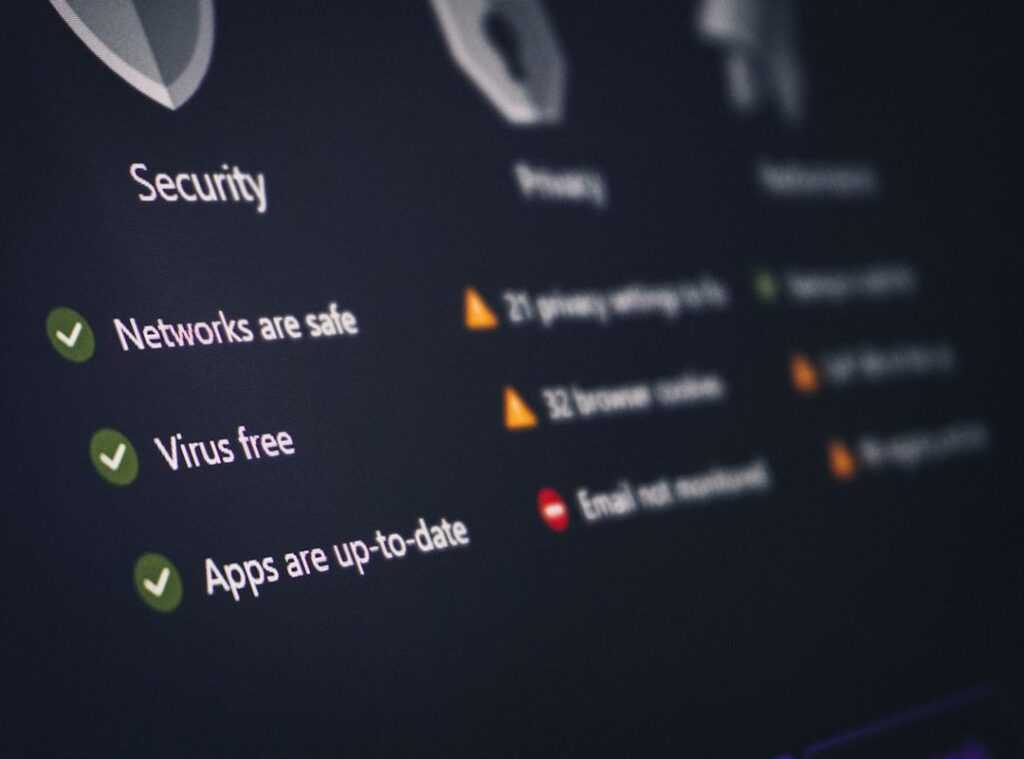
Ever feel like you’re constantly behind on cyber threats? It’s tough out there. Everyone’s shouting about the next big thing, but how do you know what’s real in cybersecurity trends IT?
I’m here to cut through the noise. We focus on tracking the actual developments in information security technology that matter.
There’s a lot of fluff, but we’ve got your back. We distill complex trends into simple, actionable takeaways. You deserve a guide that’s clear and trustworthy.
We’ll explore the most impactful emerging developments so you stay ahead. Ready to finally get it right?
AI-Powered Security: Your New Digital Watchdog
Picture this: the old way of security was like a bouncer with a list of known troublemakers. If your name wasn’t on the list, you’d slip right through. Simple, but not very smart.
Enter AI and Machine Learning. Imagine a bouncer who doesn’t just rely on a list but actually learns the crowd’s normal behavior. They can spot anyone acting suspiciously even if they’re not on the list.
That’s the new frontier of security.
AI isn’t just reactive; it’s proactive. It predicts threats before they happen. How?
By analyzing patterns, behaviors, and anomalies. Think of it as being able to predict rain before you see clouds. This is predictive threat intelligence.
It matters because it stops attacks in their tracks.
Take a real-world example: AI can detect when an employee’s credentials are being used at an odd hour or from a strange place. This raises a red flag. Maybe it’s a late-night work session, or maybe it’s a breach.
Either way, AI flags it before damage is done. This isn’t just tech talk; it’s about safeguarding your data and peace of mind.
In the world of cybersecurity trends IT, staying ahead is key. AI gives us that edge. The Rise Of 5G Impact Businesses shows how quickly tech evolves.
We need tools that evolve just as fast. AI is that tool. It’s like having a digital watchdog that’s always on duty.
Can you afford to ignore it? I don’t think so.
Trust No One: The Ultimate Security Plan
Zero Trust Architecture (ZTA) is like the rebellious teenager of cybersecurity. It doesn’t care about old-school rules. Forget the traditional “castle-and-moat” model where everything inside is trusted.
That worked when networks were closed off like medieval fortresses. But with remote work and cloud services, it’s about as useful as a chocolate teapot.
Let’s get real. The old model is crumbling because it assumes anyone inside is safe. Spoiler: they’re not.
With ZTA, the mantra is “never trust, always verify.” Every user and device must prove its identity every single time. It’s like a modern office where your keycard gets you into every room (not just the front door). Annoying?
Maybe. Effective? Absolutely.
Why is this necessary? Because hackers are sneaky. If they break in, Zero Trust limits their movement.
They can’t roam freely, causing havoc. It’s like having a bouncer at every door. You might ask, “Isn’t this overkill?” Maybe.
But in today’s world, it’s smarter to be paranoid.
And let’s face it, cybersecurity trends IT are shifting towards this model for a reason. It’s not just a trend; it’s a necessity. To understand more about why Zero Trust is important, check out cybersecurity key threats and skills.
Pro tip: If you’re in IT, start thinking Zero Trust now. It’s not just a buzzword. It’s the way forward.
Trust me (or don’t, because Zero Trust, remember?). The sooner you adapt, the better prepared you’ll be.
Quantum Computing: The Next Big Threat and a Solid Defense
Ever wondered what would happen if computers suddenly became a billion times faster? That’s quantum computing for you. It’s like upgrading from a tricycle to a rocket ship.

The real kicker? This immense processing power could potentially break the encryption that keeps our most private data safe.
Now, before you panic, let’s set the stage: this isn’t happening today. But experts say it’s a future challenge (and they’re already on it). Quantum computers could theoretically crack the codes we use to secure everything from banking to private messages.
Imagine your whole digital life laid bare. Sounds like a cybersecurity trends IT nightmare, right?
But here’s the silver lining. Enter Post-Quantum Cryptography (PQC) (a) mouthful, I know. Think of these quantum-resistant algorithms as the next-gen locks for our digital world.
They’re being designed to be “quantum-proof,” ensuring that even the most advanced quantum computer can’t just waltz through our security.
This isn’t just a techie fantasy. It’s real work being done to protect our future data. So while it’s not something to lose sleep over now, staying aware is key.
For those interested in the broader Future Of Quantum Computing Expectations, it’s fascinating stuff.
In short, we’re talking about preparing for a potential storm while skies are still clear. That’s how you stay ahead. And if you ask me, it’s not just smart.
It’s necessary.
From Smart Toasters to Smart Security: Taming the IoT
The Internet of Things (IoT) is everywhere. It’s not just in your smart toaster that burns your bread (because mine always does). It’s in homes and industries too, like thermostats, cameras, and even factory sensors.
But you know what’s crazy? There are millions of these devices, and they’re not as secure as you’d think.
Here’s the thing: many IoT devices have weak or no security at all. So, what happens? They become vulnerable entry points into our networks.
Sounds bad, right? Remember that time when a hacker breached a casino through a smart fish tank? Talk about sneaky.
Now, you might be wondering, what’s being done about this mess? Glad you asked. One promising approach is network segmentation.
Imagine creating a separate, isolated network for your IoT devices. That way, if one gadget gets hacked, it can’t mess with your important stuff. It’s like putting a fence around your backyard (but for your devices).
But wait, there’s more. Emerging solutions also include automated IoT device discovery and management tools. These help IT teams track and secure all connected devices.
It’s a lifesaver for anyone dealing with this tech chaos.
Here’s a pro tip for you: always change the default password on any new smart device. Seriously, it’s one of the simplest cybersecurity trends IT experts swear by. You wouldn’t leave your front door unlocked, would you?
In the end, taming the IoT is about staying one step ahead. It’s not just about having the coolest gadgets. It’s about protecting them (and yourself) from becoming easy targets.
So, are you ready to take control of your smart devices? Because I sure am.
Stay Sharp, Stay Secure
Keeping up with a rapidly shifting threat space is tough. You’ve learned the four pillars of modern security: AI-driven defense, Zero Trust, the quantum challenge, and IoT protection. Now, you understand cybersecurity trends IT better than most.
That knowledge? It’s power. It lets you make smarter choices and ask tougher questions.
Ever wonder what’s lurking in your digital shadows? You should.
Here’s what you do next: Stay curious. Security isn’t a one-time fix. It’s an ongoing process.
Be proactive. Ask yourself: Am I doing enough? Are my systems resilient?
Treat security like a living thing. Nurture it.
Call the experts. We’re the #1 rated for a reason. Make sure your digital safety is a priority.
Visit meetshaxs.net now. Your peace of mind depends on it.