
If you’re searching for clear insights into venture capital in tech, you’re likely trying to understand where money is flowing, which sectors are heating up, and how funding decisions today will shape tomorrow’s innovation. The tech investment landscape shifts quickly—AI breakthroughs, emerging devices, evolving software architectures, and digital platforms can change funding priorities almost overnight.
This article breaks down the latest patterns in venture capital in tech, highlighting key trends, high-growth segments, and the signals investors are watching right now. You’ll gain clarity on how capital is being allocated, what it means for startups and established players, and how these movements influence the broader tech ecosystem.
To ensure accuracy and relevance, we’ve analyzed recent funding data, reviewed investor reports, and cross-referenced insights from leading market analysts and industry research. The goal is simple: give you a focused, trustworthy overview that cuts through speculation and delivers practical, up-to-date intelligence you can actually use.
Venture capital (VC) is funding provided to early-stage companies with high growth potential in exchange for equity, meaning ownership shares. Unlike angel investing—where wealthy individuals write smaller checks with personal money—VC firms manage pooled funds from institutions and aim for outsized returns. Private equity, by contrast, usually buys mature companies and optimizes them. That distinction matters.
In my view, venture capital in tech works because software startups are built to scale fast. They burn cash to acquire users, refine product-market fit (the alignment between what you build and what people will pay for), and dominate markets before competitors react. Critics argue this “grow at all costs” mindset distorts priorities and inflates valuations. Fair. We’ve all seen hype cycles crash (remember Web3 stadium ads?). But without big early bets, transformative platforms—from cloud computing to generative AI—might never reach escape velocity.
Tech startups and VCs operate in symbiosis: founders get capital and strategic guidance; investors get equity in exponential growth. Speed is the strategy.
Watch AI-native architectures, decentralized platforms powered by blockchain, and next-gen hardware interfaces like spatial computing. Pro tip: follow developer adoption, not headlines.
Capital fuels ambition, but discipline determines which startups actually endure over the long haul sustainably.
The Investor’s Due Diligence Playbook: Vetting a Startup
Beyond the Pitch Deck
As venture capital continues to flow into groundbreaking technology sectors in 2026, startups are leveraging these funds to push the boundaries of innovation, particularly within cloud computing, where the transition from traditional IaaS models to more agile edge solutions is reshaping the digital landscape – for more details, check out our The Evolution of Cloud Computing: From IaaS to Edge Solutions.
A polished pitch deck is marketing. Due diligence is verification. In 2022, CB Insights reported that 35% of startups fail due to no market need, despite compelling presentations. That gap between story and substance is where investors must dig.
Move past projections and examine:
- Customer contracts or letters of intent
- Product usage data (daily or monthly active users)
- Churn rates and retention cohorts
If a founder claims “explosive growth,” ask for month-over-month metrics. Real traction leaves fingerprints.
Evaluating the Team
Investors often say they back founders, not ideas—and the data supports that. A Harvard Business School study found that founding teams with prior startup experience are significantly more likely to succeed.
Look for:
- Domain expertise (Have they built in this space before?)
- Resilience (How did they respond to setbacks?)
- Complementary skills (Technical + operational balance)
Instagram pivoted from Burbn because the team recognized weak traction and adapted quickly. The idea changed. The founders’ execution didn’t.
Assessing the Product & Market
TAM (Total Addressable Market) refers to the total revenue opportunity if a company captured 100% of its market. But a large TAM alone proves nothing. Quibi targeted a massive mobile audience and still failed.
Validate:
- Evidence of product-market fit (strong retention, referrals)
- Clear differentiation or defensibility (patents, proprietary data, strong network effects). For patent-heavy products, early review by a registered patent practitioner can help investors understand whether the claimed moat is actually protectable.
- Scalable software architecture
For AI-focused ventures, trends outlined in the rise of ai startups disruptors to watch show how defensibility increasingly depends on exclusive data pipelines.
The Financials & Unit Economics
Numbers reveal viability. Key metrics include:
- CAC (Customer Acquisition Cost)
- LTV (Lifetime Value)
- Burn rate (monthly cash spend)
A healthy SaaS benchmark often targets LTV:CAC ratios above 3:1 (per SaaS Capital research). If acquiring customers costs more than their projected lifetime value, growth simply accelerates losses.
Even in venture capital in tech, discipline wins. Growth is exciting. Sustainable economics are essential.
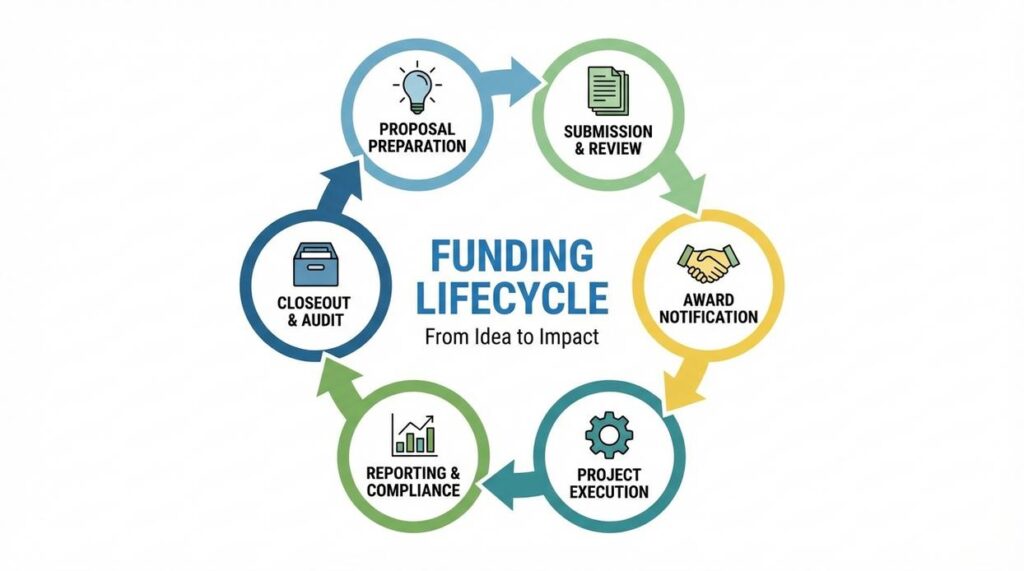
Understanding the Funding Lifecycle: From Seed to IPO

Every startup story has chapters. Back in 2019, many SaaS darlings took nearly 8–10 years to move from Pre-Seed to IPO; by 2021, some compressed that timeline to five (bull markets have a way of speeding up ambition).
Mapping the Journey
Pre-Seed is the idea stage—often just a prototype and a pitch deck. Seed follows, where product-market fit (evidence customers actually want the product) is tested. Series A funds traction, Series B scales operations, and Series C prepares for dominance—or acquisition. IPO, the initial public offering, is when shares hit public markets.
| Stage | Milestone | Risk Level |
|---|---|---|
| Pre-Seed | MVP built |
Very High |
| Seed | Early revenue | High |
| Series A | Repeatable growth model | Moderate |
| Series B/C | Market expansion, profitability | Lower |
Your role as an investor evolves. Early on, you might accept valuation caps (limits on future share price) and higher liquidation preferences (who gets paid first in an exit) because risk is steep. Critics argue later rounds are “safer.” True—but returns often shrink as valuations rise.
The Power of the Lead Investor
In venture capital in tech, a reputable lead VC sets terms and signals credibility. When a known firm leads a round, others follow (think of it as the blue check of startup finance). According to CB Insights, top-tier leads correlate with higher follow-on funding rates.
Pro tip: Review who led the last round before wiring funds.
For deeper market timing data, see https://example.com.
Stay Ahead of the Next Tech Breakthrough
You came here to understand where innovation is heading and how to make smarter decisions in a rapidly shifting digital landscape. Now you have a clearer view of the trends, tools, and market forces shaping today’s technology ecosystem.
The real challenge isn’t finding information — it’s knowing which signals matter and how to act before the opportunity passes. In a world driven by emerging devices, evolving software architecture, and aggressive venture capital in tech, waiting too long can mean falling behind competitors who move faster.
The next step is simple: stay plugged into credible insights, track developing trends consistently, and apply what you’ve learned to your own tech strategy or investment decisions. Don’t let uncertainty stall your progress.
If you want reliable breakdowns of tech industry shifts, practical digital strategies, and analysis trusted by forward-thinking innovators, start exploring more of our in-depth resources today. The sooner you act, the sooner you position yourself ahead of the curve.