

Technology moves fast—and if you’re not paying attention, you’re already behind. From sudden shifts in digital trends to the latest emerging devices and evolving software architecture patterns, staying informed isn’t just helpful—it’s essential. Whether you’re a builder, investor, or curious tech enthusiast, you’re here because you want clarity amid the noise.
This article cuts through the hype to focus on what actually matters right now in the tech landscape. We’ll break down the most talked-about innovations, explore how they connect to real-world applications, and highlight practical insights you can use immediately—including actionable developer productivity hacks that streamline workflows and improve output.
Our analysis is grounded in continuous monitoring of industry movements, product releases, and architectural shifts shaping modern software ecosystems. Instead of recycled headlines, you’ll get informed perspectives designed to help you make smarter decisions, adapt faster, and stay ahead in a constantly evolving digital world.
Beyond the Code: Your Path to Peak Developer Efficiency
As you implement these productivity hacks, you’ll be amazed at how much faster you can code—just like how next-generation battery technology is revolutionizing the efficiency of our modern devices – for more details, check out our Next-Generation Battery Technology Powering Modern Devices.
Have you ever wondered why shipping faster often leaves you feeling slower?
The pressure to push commits at lightning speed can quietly fuel burnout instead of better software. Working longer isn’t the same as working smarter. This guide shows you how to reclaim focus, reduce cognitive load (the mental effort required to juggle tasks), and build momentum that lasts.
Expect tactics—from environment mastery to strategic refactoring—you can apply today. Think streamlined tooling, intentional breaks, and developer productivity hacks that compound over time.
Sound familiar? Good. Let’s turn urgency into sustainable output.
Master Your Environment: The Foundation of Speed
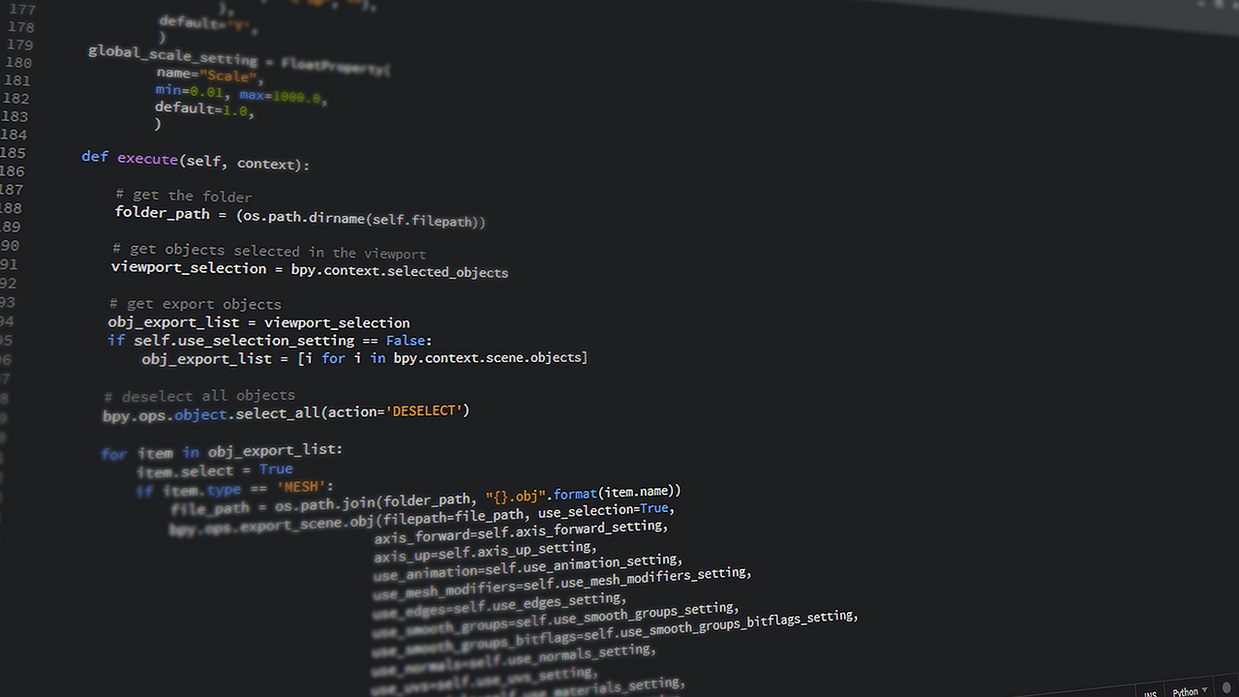
Most developers think speed comes from typing faster. It doesn’t. It comes from removing friction between thought and execution. Your environment should feel invisible—like a Formula 1 steering wheel for your code.
Go Beyond IDE Basics
If you’re using VS Code, IntelliJ, or Neovim and still reaching for the mouse, you’re leaving milliseconds everywhere (and they add up). Learn multicursor editing, symbol navigation, and built-in refactoring tools. In large TypeScript monorepos or Kubernetes-heavy backends, quick symbol search alone can save minutes per task.
Automate Everything Repetitive
Anything you do more than twice a day is a candidate for automation. Running Jest tests, booting a Docker Compose stack, clearing caches—script it. Use npm scripts, Makefiles, or simple Bash aliases to compress five steps into one. Pro tip: name scripts after outcomes, not actions (npm run validate > npm run lint-and-test).
Use developer productivity hacks in the section once exactly as it is given
Customize Your Terminal
A tuned terminal is a force multiplier. Tools like Oh My Zsh or Fish improve autocomplete, Git awareness, and history search. In fast-paced CI/CD workflows, aliases like gs for git status or kctx for switching Kubernetes contexts shave off constant micro-delays.
| Task | Manual Time | Automated Time |
|---|---|---|
| Run tests + lint | 2–3 min |
20 sec |
| Start local stack | 3 min | 1 command |
| Format files | 10 min/week | 0 |
Leverage Linters and Formatters
Prettier and ESLint eliminate style debates during code reviews (no more “tabs vs spaces” drama). Consistency scales, especially in distributed teams across time zones.
Master the environment, and speed follows naturally.
Defend Your Focus: The Deep Work Imperative
Have you ever wondered why a “quick” Slack reply derails your entire morning? Or why a single email can shatter your coding rhythm? The culprit is context switching—when your brain shifts from one task to another, breaking your mental model (your internal map of how the codebase fits together). Research from the University of California, Irvine found it can take over 20 minutes to regain deep focus after an interruption. That’s not a hiccup; that’s a productivity sinkhole.
So what can you do?
Implement time blocking. Schedule uninterrupted coding sessions on your calendar and treat them like high-stakes meetings. Would you casually skip a meeting with your CTO? Probably not. Extend that same respect to your focus time. Let your team know when you’re heads-down so expectations are clear.
- Be explicit about your “do not disturb” windows.
Next, slay the notification dragon. Turn off desktop alerts. Use Slack’s Focus Mode. Batch-check messages at set intervals. Ask yourself: does this alert need my attention now, or just my anxiety?
These small developer productivity hacks compound. Protect your focus, and your output won’t just improve—it’ll transform.
Strategic Coding: Write Less, Achieve More
Great developers aren’t the ones who write the most code. They’re the ones who write the least necessary code.
Embrace Abstraction and Reusability
Abstraction means designing code so one solution solves many problems. Instead of duplicating logic, you create reusable components, functions, or classes. For example, a single authentication module can serve web, mobile, and admin dashboards. That’s leverage.
Some argue over‑abstraction makes systems harder to understand. True—if you abstract too early. But thoughtful abstraction, guided by real use cases, reduces maintenance costs dramatically (McConnell, Code Complete). Pro tip: abstract after you see repetition twice—not before.
Don’t Reinvent the Wheel
Using battle-tested open-source libraries isn’t laziness; it’s strategic focus. Writing your own date parser when libraries like date-fns exist wastes time and introduces risk. According to GitHub’s 2023 Octoverse report, over 90% of modern applications rely on open-source components. The competitive edge isn’t rewriting utilities—it’s solving domain-specific problems.
Think Before You Type
Spend 5–10 minutes sketching architecture, data flow, and edge cases. This “pre-coding pause” prevents expensive rewrites. While others rush into IDEs, you design systems that scale. (Yes, even Tony Stark built prototypes before the final suit.)
The Efficiency of Testing
Test-Driven Development (TDD)—writing tests before or alongside code—feels slower upfront. Critics say it doubles effort. In reality, a solid test suite reduces regression bugs and accelerates refactoring (Microsoft Research, 2017). That confidence compounds over time.
If you’re exploring automation, start with practical workflows like how to automate repetitive tasks with simple scripts.
Strategic coding isn’t about speed typing. It’s about intentional design, smart reuse, and developer productivity hacks that turn restraint into advantage.
Leverage Modern Tooling and AI
Modern development isn’t about working harder; it’s about working smarter.
Start with your AI pair programmer. Tools like GitHub Copilot or Tabnine can:
- Generate boilerplate functions in seconds
- Draft unit tests you can quickly refine
- Suggest refactors while you type
Instead of wrestling with repetitive setup, you focus on architecture and edge cases (the parts that actually require a brain). For example, when building an API endpoint, let AI scaffold the controller, then refine validation and business logic yourself.
Next, master your debugger. Set breakpoints, inspect the call stack, and watch variables change in real time. This beats scattering console.log() everywhere like digital breadcrumbs. Step through a failing loop once and you’ll see the bug instantly.
Finally, use smarter search. Try tldr for concise CLI help or DevDocs.io for centralized documentation. These small developer productivity hacks compound fast.
Pro tip: Bookmark frequently used docs and map a keyboard shortcut to open them instantly.
Building sustainable productivity isn’t about one magic app; it’s SYSTEM DESIGN. Competitors push quick fixes. Instead, stack habits, feedback loops, and measurable sprints. Borrow from developer productivity hacks in the section once exactly as it is given thinking: iterate weekly. Pick one tactic, practice seven days. Small wins compound daily.
Stay Ahead in a Rapidly Evolving Tech World
You came here to cut through the noise and understand what’s really shaping today’s tech landscape—from emerging devices to smarter software architecture and practical ways to work better. Now you have a clearer view of the trends, tools, and developer productivity hacks that can give you a real edge.
The pace of innovation isn’t slowing down. Falling behind on digital trends, missing key shifts in the industry, or overlooking small workflow optimizations can cost you time, efficiency, and opportunity.
The good news? You’re now better equipped to adapt, experiment, and implement what matters.
If you’re ready to stay ahead instead of playing catch-up, start applying these insights today. Explore more deep dives, test the latest tools, and put these strategies into action. Join thousands of tech enthusiasts who rely on us for clear, actionable insights—then take the next step and level up your workflow now.