
Finding a haircut that’s both stylish and professional, yet easy to manage, can feel like a never-ending quest. You want something modern but not too flashy. Something that works in the office and on the weekends.
The problem is, you might not know the right words to ask for it at the barbershop.
Enter the textured low fade. This cut is the perfect blend of style and simplicity. It’s versatile enough for any setting, whether you’re in a meeting or hanging out with friends.
In this guide, I’ll break down what the textured low fade is, who it’s best for, how to ask your barber for it, and even how to style it at home. Trust me, by the end, you’ll be ready to rock this sharp and popular look.
What Exactly is a Textured Low Fade? Breaking Down the Key Elements
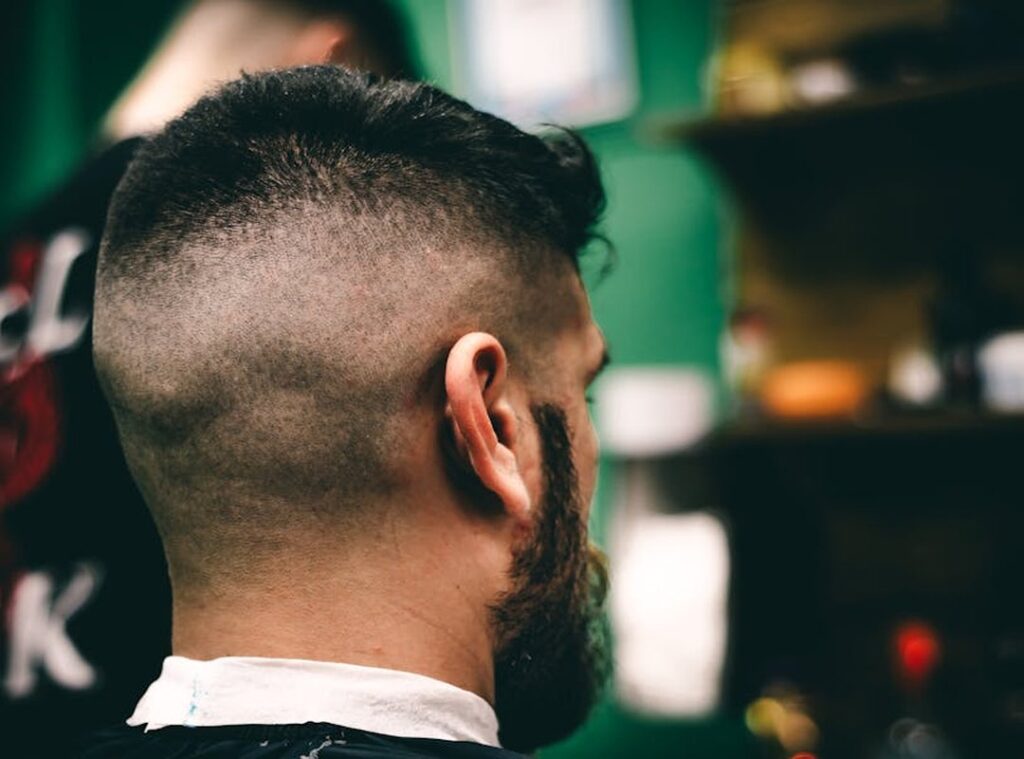
Let’s start with the low fade. This style begins just above the ears and tapers down cleanly to the neckline. It’s different from mid and high fades, which start higher up.
Now, the texture on top. Barbers use techniques like point-cutting or thinning shears to create movement. The goal is a piecey, dimensional look, not a flat, uniform one.
Think of it as adding some life to your hair.
The blend is crucial. A seamless, gradual transition between the faded sides and the longer top is what makes this cut stand out. It’s all about that smooth, natural look.
Variations are endless. You can pair a low fade with a quiff, fringe, or even a hard part. It’s versatile and works for a lot of different styles.
Why is it so popular? The textured low fade offers a perfect balance. Clean-cut precision on the sides, effortless style on top.
Plus, it looks great with low fade fluffy hair, giving you that extra edge.
Is This Haircut Right for You? Face Shapes and Hair Types That Shine
Let’s talk about the textured low fade. It’s a versatile cut, but is it right for you?
First, consider your face shape. The textured low fade complements oval, square, and round faces. It adds structure without over-elongating the head.
Now, let’s look at hair types. This style works well for straight, wavy, and even some curly hair. The texture on top can be customized to suit different hair textures.
What if you have thinning hair? The added texture can create an illusion of fullness and volume. It’s a smart choice for men with finer hair.
But here’s a caveat. Men with very prominent ears might prefer a mid-fade. It creates a more balanced silhouette.
So, should you go for the low fade or not? Here’s a quick self-assessment checklist:
- Do you have an oval, square, or round face?
- Is your hair straight, wavy, or slightly curly?
- Are you looking to add volume to thinner hair?
- Do you have prominent ears that might need a mid-fade instead?
If you answered yes to most of these, the textured low fade could be a great fit. Otherwise, you might want to reconsider.
Remember, the right haircut can make a big difference. (And who doesn’t love a bit of low fade fluffy hair?)
How to Ask Your Barber for the Perfect Textured Low Fade
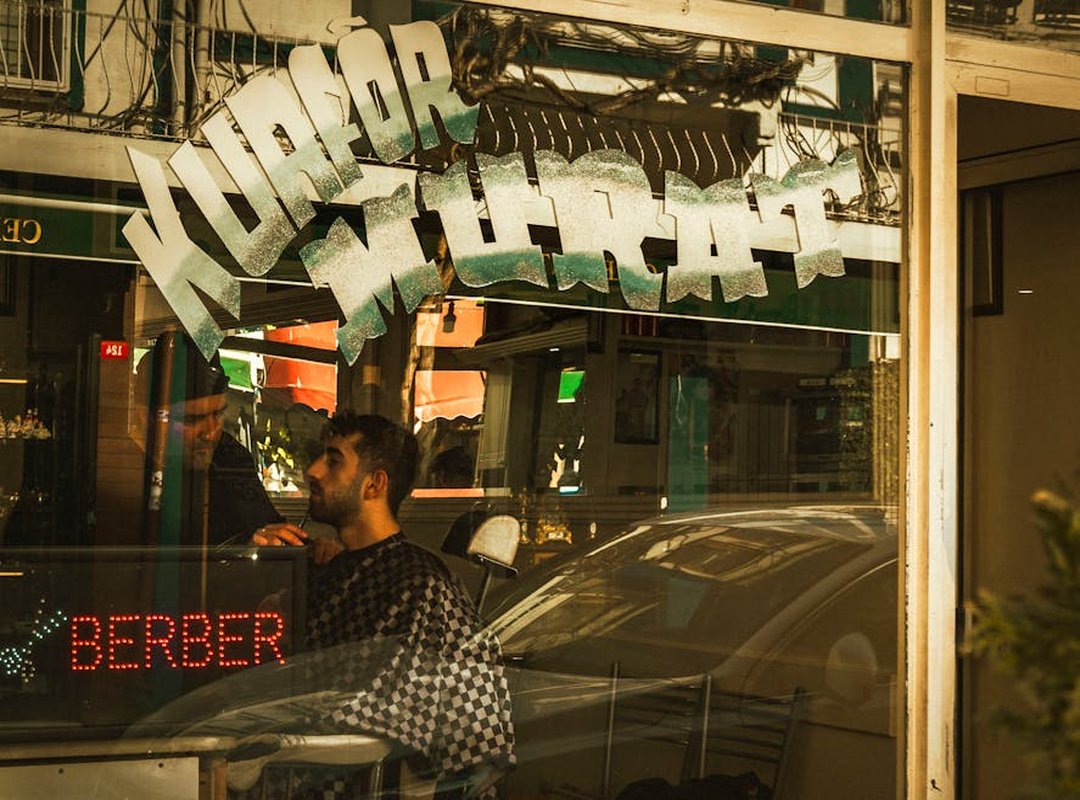
Getting a great haircut is all about clear communication. Here’s exactly what to say: “I’d like a low skin fade that starts right above the ear, blended into a longer, textured top.”
Bring 2-3 reference photos on your phone, and visual aids are key. They eliminate any chance of miscommunication.
For the top section, be specific. Say, “Leave about 3 inches on top.” Use keywords like “choppy” or “piecey” for the texture you want.
Request a “blurry” or “seamless” transition, and this ensures there are no harsh lines. It’s all about a smooth blend.
Don’t forget the finishing touches. A “line-up” or “edge-up” can make a big difference. Specify if you want a natural or sharp hairline.
If you’re into the low fade fluffy hair look, make sure to mention that too. It’s all about getting the details right.
Pro tip: Always check in with your barber during the cut. Feedback is crucial.
And if you’re curious about other trends, read more about what’s happening in different industries.
Styling at Home: Your 5-Minute Routine for Effortless Texture
Styling should start with towel-dried, slightly damp hair. This is like the perfect canvas for your artwork.
Matte clay gives a firm hold without shine. Styling powder adds volume and texture. Sea salt spray creates that beachy, wavy look.
Each has its own magic.
Use a dime-sized amount of product, and warm it in your palms. Work it through your hair from roots to tips.
Think of it as massaging life into your strands.
A blow dryer on low heat is your secret weapon. It locks in the style and enhances texture. Like baking, it sets everything in place.
For the final touch, use your fingertips, and twist and separate small sections. Create that perfectly messy, intentional look.
Imagine you’re sculpting a masterpiece, but with your hair.
Pro tip: For a low fade fluffy hair look, focus on the top while keeping the sides neat.
Keeping Your Fade Fresh and Sharp Between Cuts
The low fade fluffy hair is not just a haircut; it’s a statement. It’s modern, versatile, and effortlessly stylish.
Now that you know the ins and outs, you have all the tools needed to get and maintain this haircut with confidence.
To keep your fade looking clean and sharp, visit the barber every 2-4 weeks.
During the grow-out phase, use a bit more product to control the sides as they get longer. This will help you maintain a polished look.
Book your next barbershop appointment and step out with your new, fresh look.
